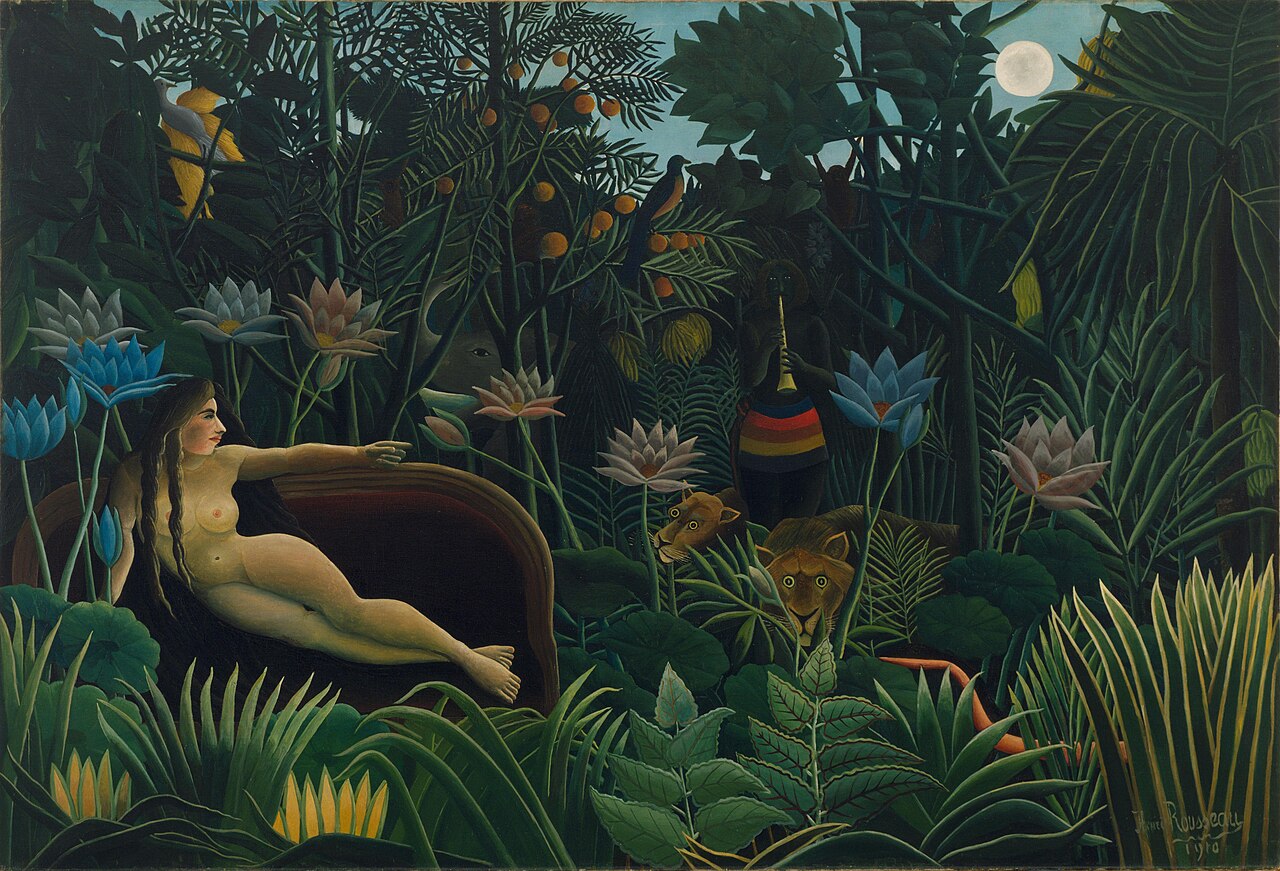
Why an Amateur's Painting Can Be Stronger Than an Academic One
Training hands an artist a set of tried-and-tested solutions — and sometimes that's exactly what stands in the way of saying something of one's own. Looking at Rousseau, Pirosmani and Grandma Moses, we ask why a 'wrong' painting can hit the mark more precisely than a flawless one.
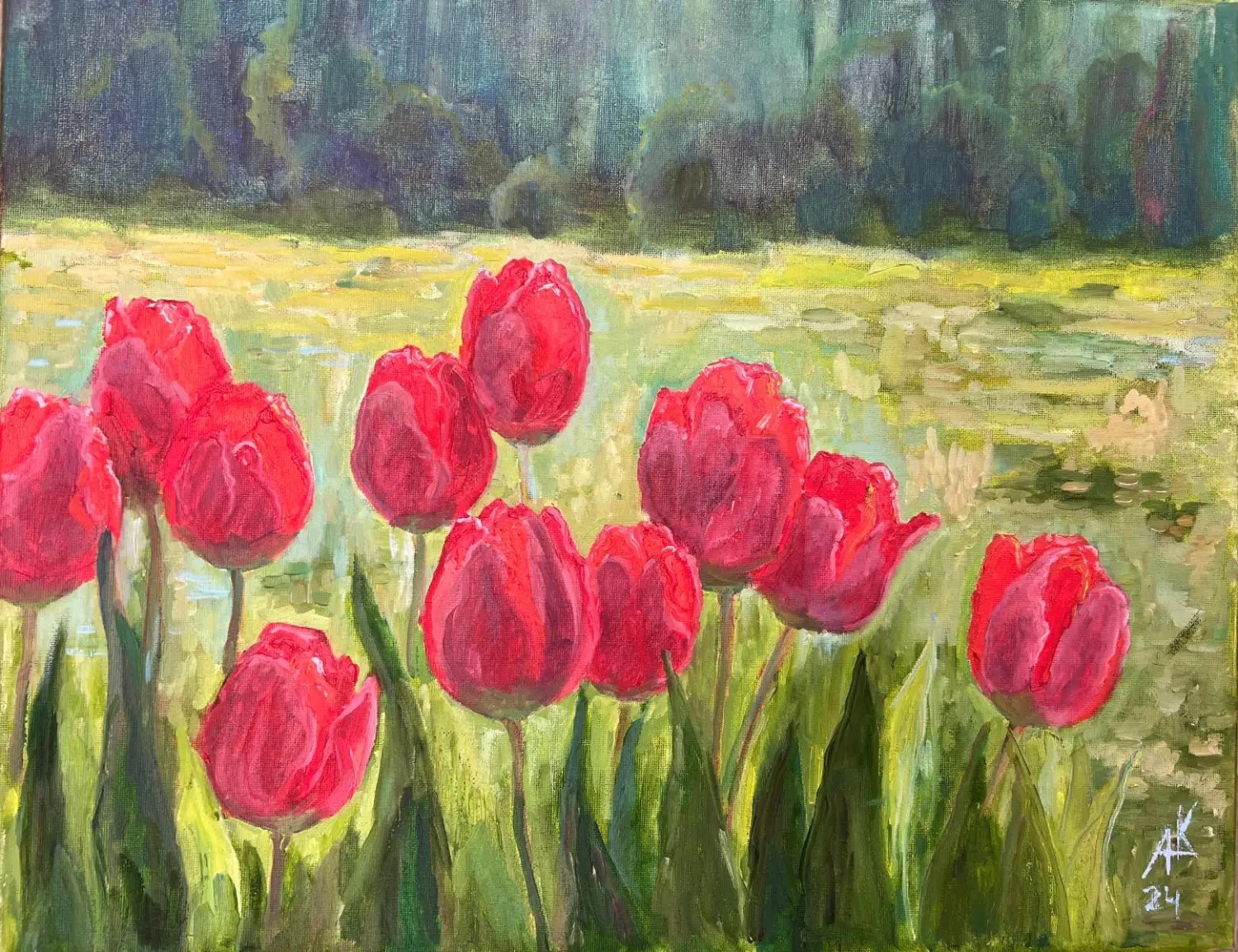
Why Do You Need a Curator If You Already Have Taste?
A good painting isn't necessarily an expensive one, and a technically accomplished painting isn't necessarily an interesting one. Here's what a curator actually looks for — and why selecting work is about more than personal preference.
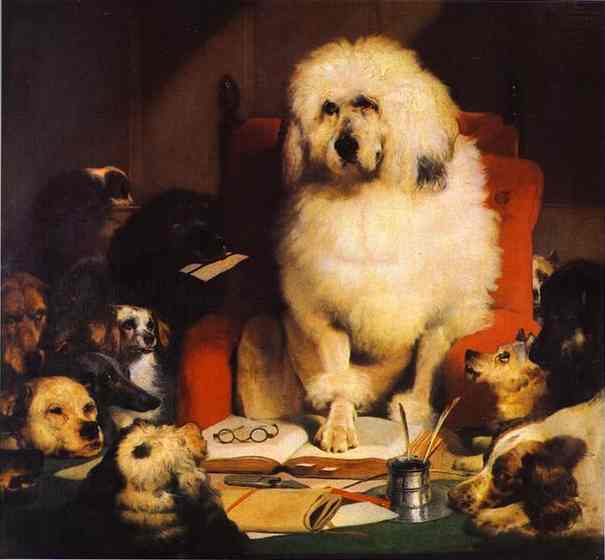
How a Cat in a Kimono Slipped Past the Censor — and a Poodle Mocked the Court
Why a poodle in a wig is funnier than a real judge, and how cats in stage costumes helped artists get around bans. How painters hid people inside animal guises — and what that let them say.
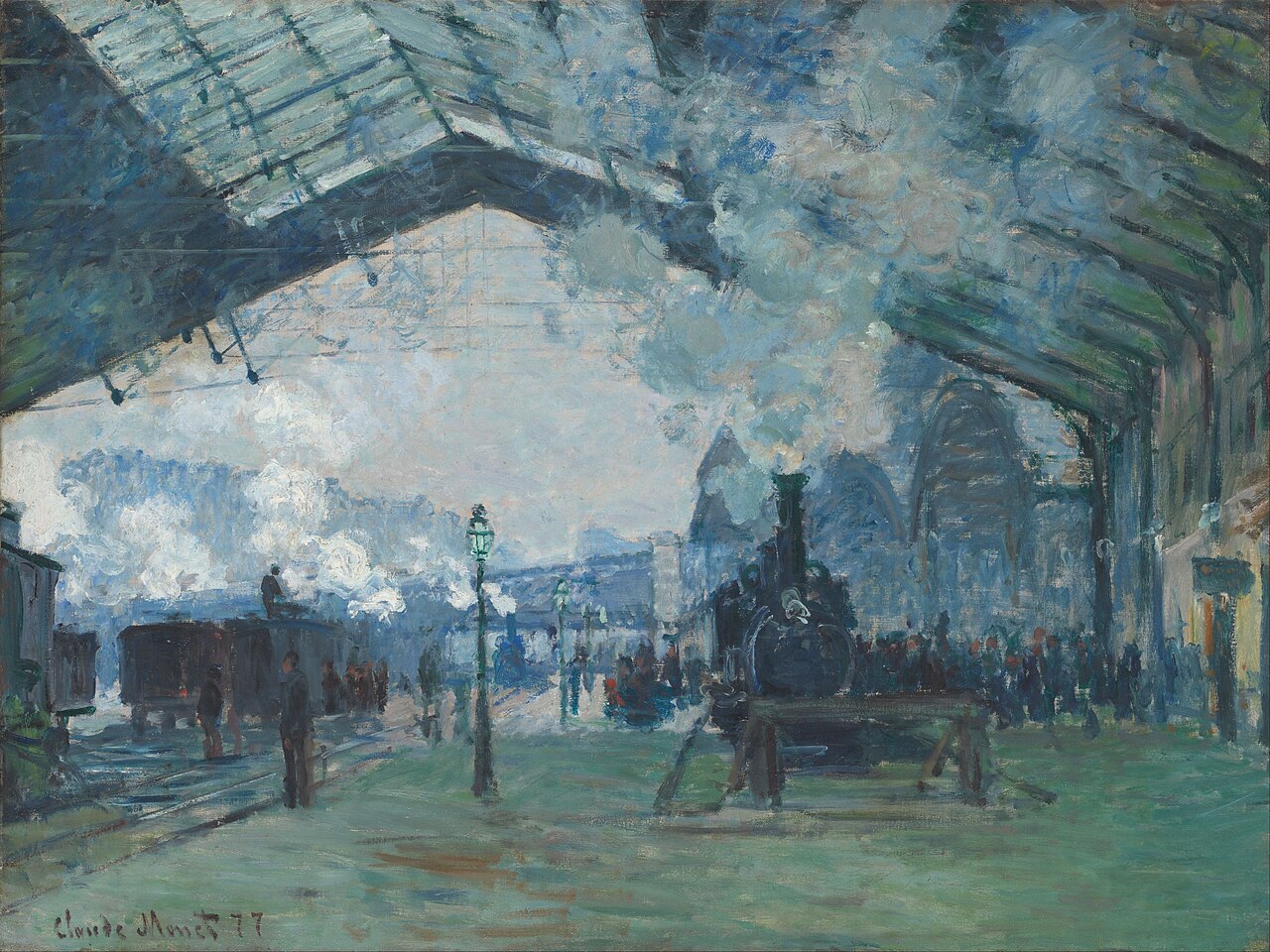
Why the Impressionists Painted Ugly Places
Railway stations, factory chimneys, smoky embankments, drab suburbs — the Impressionists stubbornly chose subjects deemed unfit for painting. And it wasn't only about rebelling against the Salon.
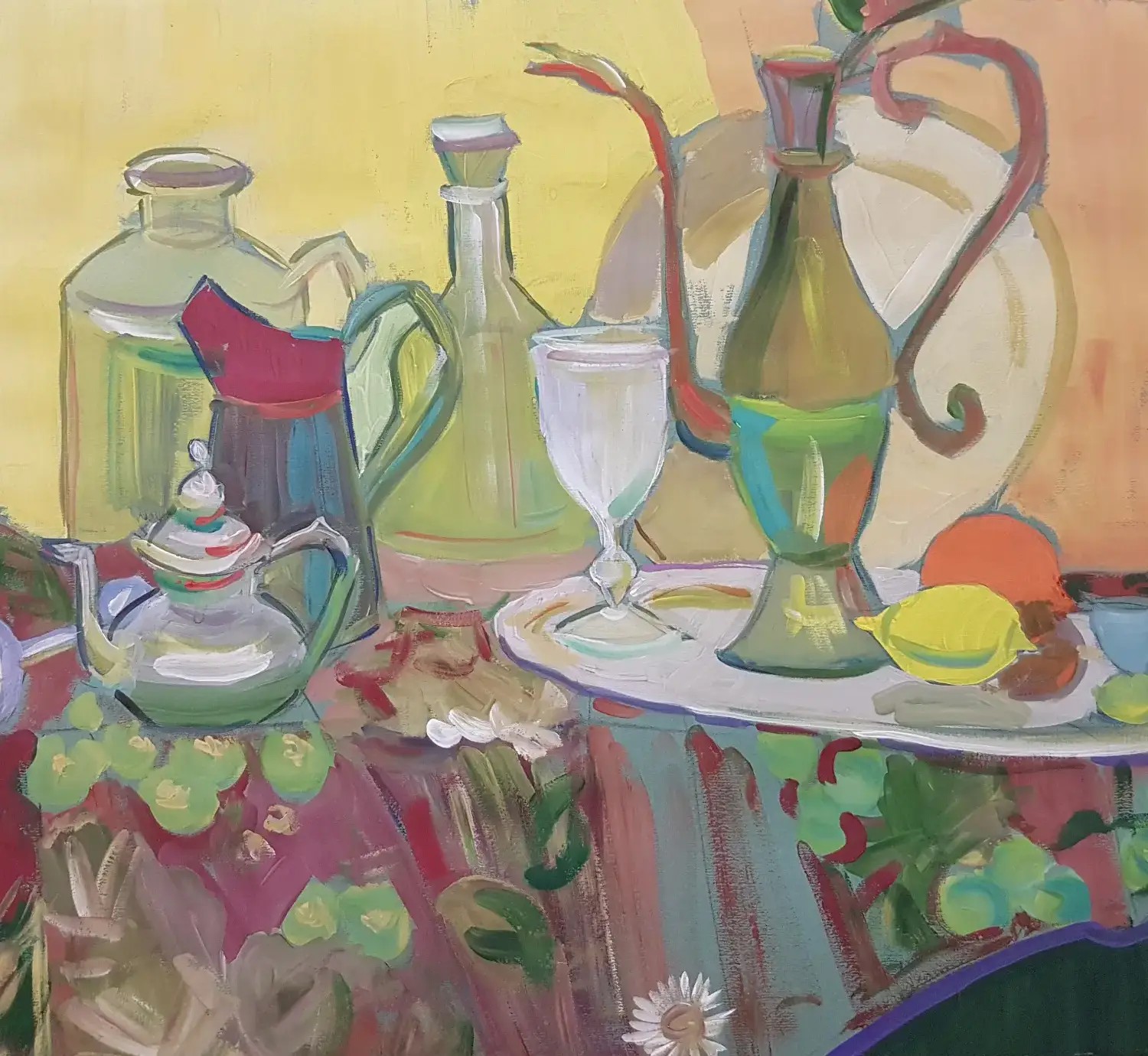
The Alchemy of the Ordinary: How Plain Jugs, Glass and Fruit on Canvas Became High Art
For centuries the academies kept this genre at the very bottom of the hierarchy — yet it turned out to be a territory of absolute painterly freedom. Here's why a lemon with a curling rind is harder to paint than a state portrait.
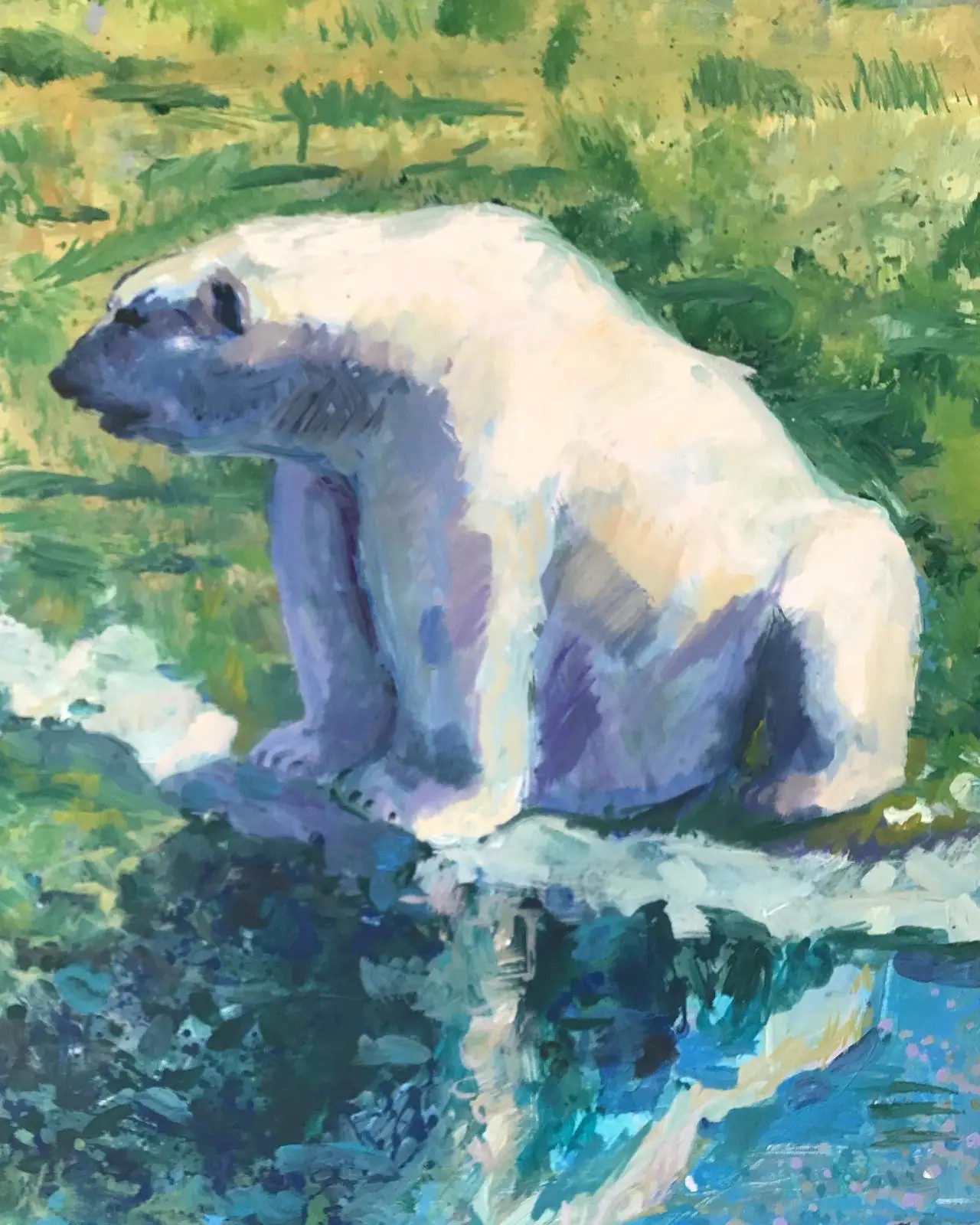
Wildlife as a Source of Calm: Why Add Animal Art to Your Collection
From the bulls of Lascaux to François Pompon’s polar bear: why animal art remained in the shadow of other genres for centuries, and why it has a special place in the home today.
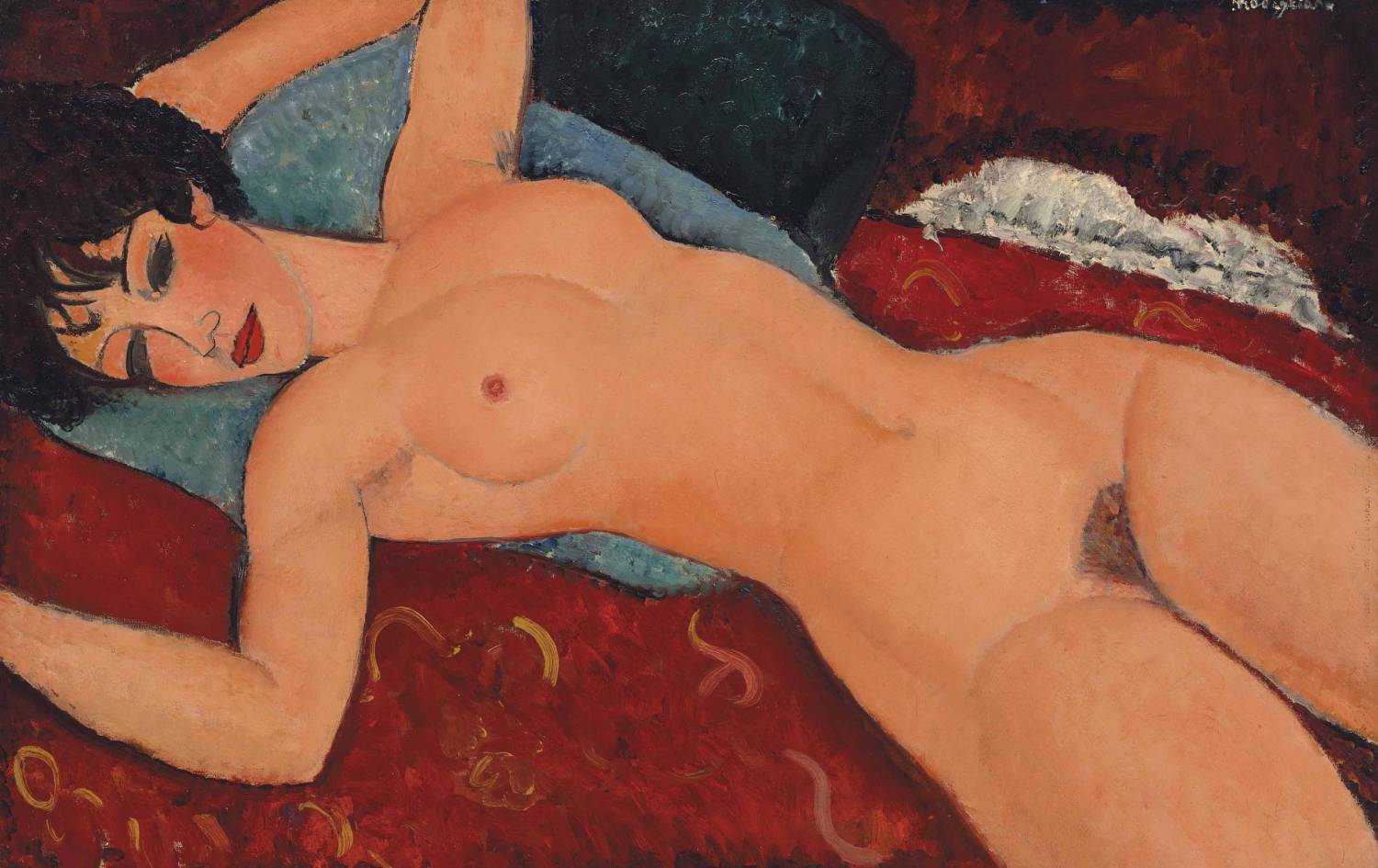
The Paintings Nobody Wanted to Buy
Masterpieces now guarded as national treasures once gathered dust in studios and were handed over to the baker to settle a debt. A story about how the market gets it wrong — and why that's perfectly normal.
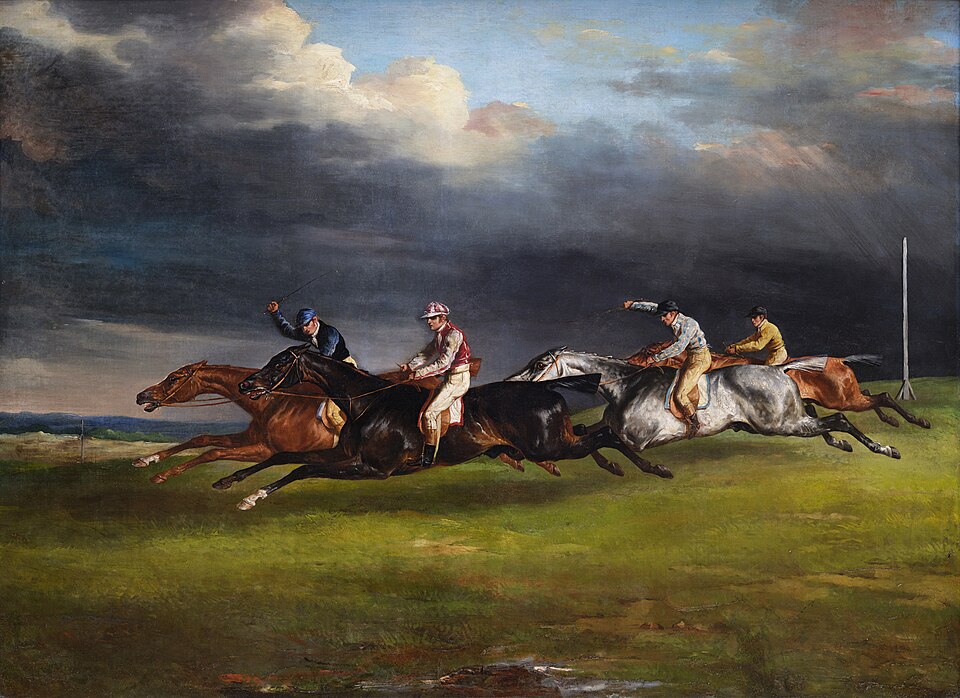
What Painters Cribbed from Photographers
Photography arrived as a rival and stayed on as a cheat sheet: it showed painters how a horse actually runs, and why a figure sliced off by the edge of the canvas looks more honest than a stately, well-made composition.
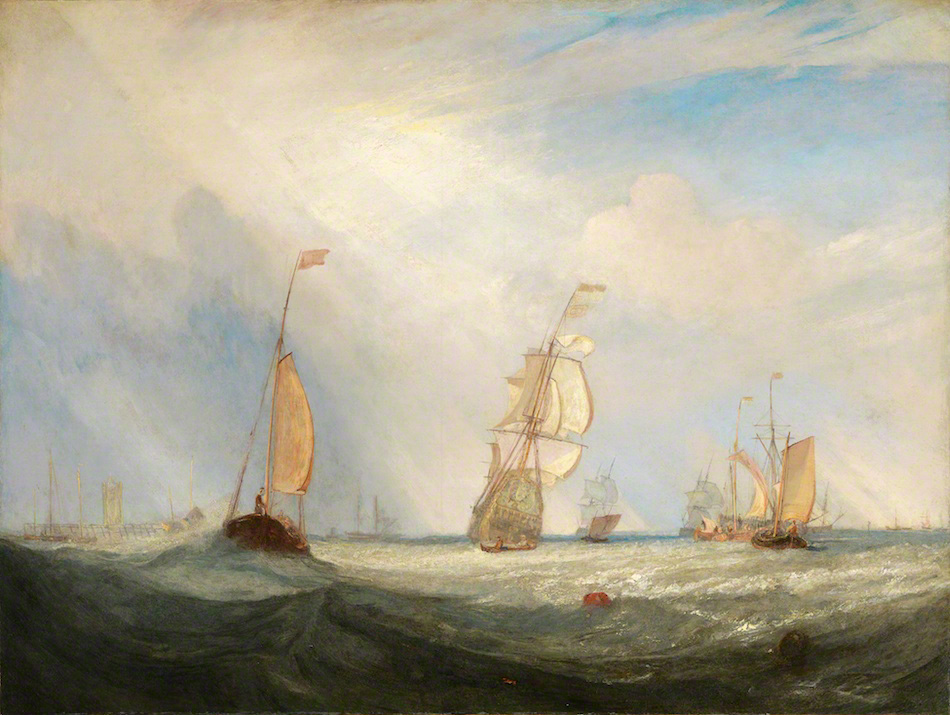
How One Painter Could Change the Fashion for Colour
The story of how J. M. W. Turner befriended a new yellow pigment, weathered the critics' mockery, and unwittingly laid the ground for the Impressionists.