There is a particular genre of historical irony: the painting that draws queues today once failed to find a single buyer. And we are not talking about obscure also-rans, but about acknowledged geniuses.
Johannes Vermeer painted slowly, sold little, and when he died in 1675 he left his widow nothing but debts. To settle the bread bill, several paintings went to his creditor, the baker Hendrick van Buyten. After that the artist was forgotten for nearly two hundred years, until in the 1860s the French critic Théophile Thoré-Bürger set about reassembling his legacy piece by painstaking piece. Even fame during one's lifetime was no guarantee: Rembrandt went bankrupt in 1656, and everything he owned — including his vast art collection — went under the hammer.
The nineteenth century proved no gentler. Édouard Manet's famous Olympia was met with open ridicule at the Paris Salon of 1865, and the canvas stayed in his studio. Only after the artist's death did Claude Monet organise a subscription to buy the painting from his widow and present it to the state. Paul Cézanne's work was rejected by Salon juries for decades. And when the collector Gustave Caillebotte bequeathed his astonishing Impressionist collection to France in 1894, officials agreed to accept only half of it — the rest was dismissed as rubbish. Today that decision makes any museum curator go slightly faint.
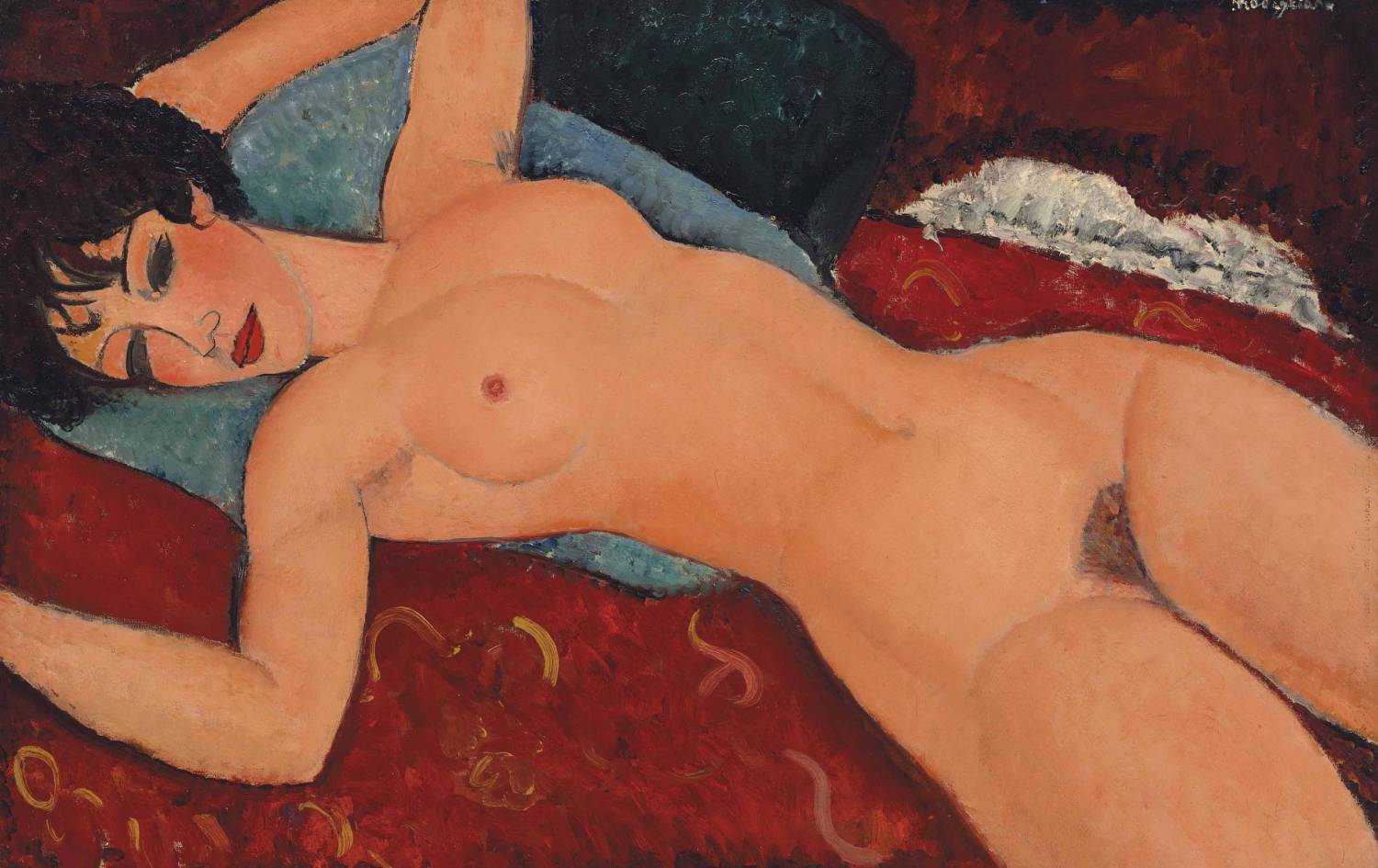
Van Gogh painted for ten years and sold almost nothing; the only sale documented with certainty is The Red Vineyard, bought by the painter Anna Boch in 1890. Modigliani lived in debt, and his sole solo exhibition, at Berthe Weill's gallery in 1917, ended with a visit from the police over the nudes displayed in the window.
The moral here is not the romantic one ("true genius is never understood") but a strictly commercial one. Art is often judged not by its quality but by how well it fits the fashion of the moment. When an artist breaks the mould, contemporaries simply cannot see it — their optics are not yet calibrated for it. Decades pass, the focus shifts, and it turns out the masterpiece had been there in plain sight all along. Nobody just knew how to look at it.